
Why Librarians Are the Right Leaders for AI Literacy
A freshman walks into her first college seminar having used ChatGPT to outline every essay since ninth grade. Her roommate down the hall has never opened a generative AI tool and doesn’t trust its output. Neither one is using AI effectively, but who can blame them: neither has had real instruction in how to use […]
Building Civic Literacy Skills: How to Guide Students Through Today’s Toughest Debates
This year carries unusual weight for anyone thinking about civic education. 2026 marks the 250th anniversary of the Declaration of Independence, arriving in the same year as the midterm elections, when all 435 House seats, 35 Senate seats, and 39 governorships go before voters. A quarter-millennium of self-government and a fresh round of decisions about […]
Multimodal Information Literacy: The Back-to-School Case for Pairing Credo and Films On Demand

Every August, library instruction teams sit down and plan the same thing: what will first-year research sessions look like this fall? Most teams already have a strong answer for part of that question, because they’ve already invested in either Credo Reference or Films On Demand. Fewer have both. That gap is worth a second look […]
Information Literacy in History Education: An Opportunity for Academic Libraries at America’s 250th
America’s 250th anniversary is about to generate a flood of scholarship, syllabi, and campus programming. Political science courses will revisit founding debates. History seminars will reexamine primary sources. Journalism and media studies programs will dissect how the anniversary itself gets covered. For academic librarians, this moment is a chance to sharpen something bigger than a […]
Information Literacy in History Education: Why It Matters for America’s 250th
As the United States celebrates its 250th anniversary, the timing couldn’t be better for a fresh look at how we teach history. Whether you’re using the summer to plan next year’s programming or already back at the reference desk, this anniversary is a natural hook for building out history instruction and collection development. But here’s […]
Teaching Learners to Think Critically About the Planet
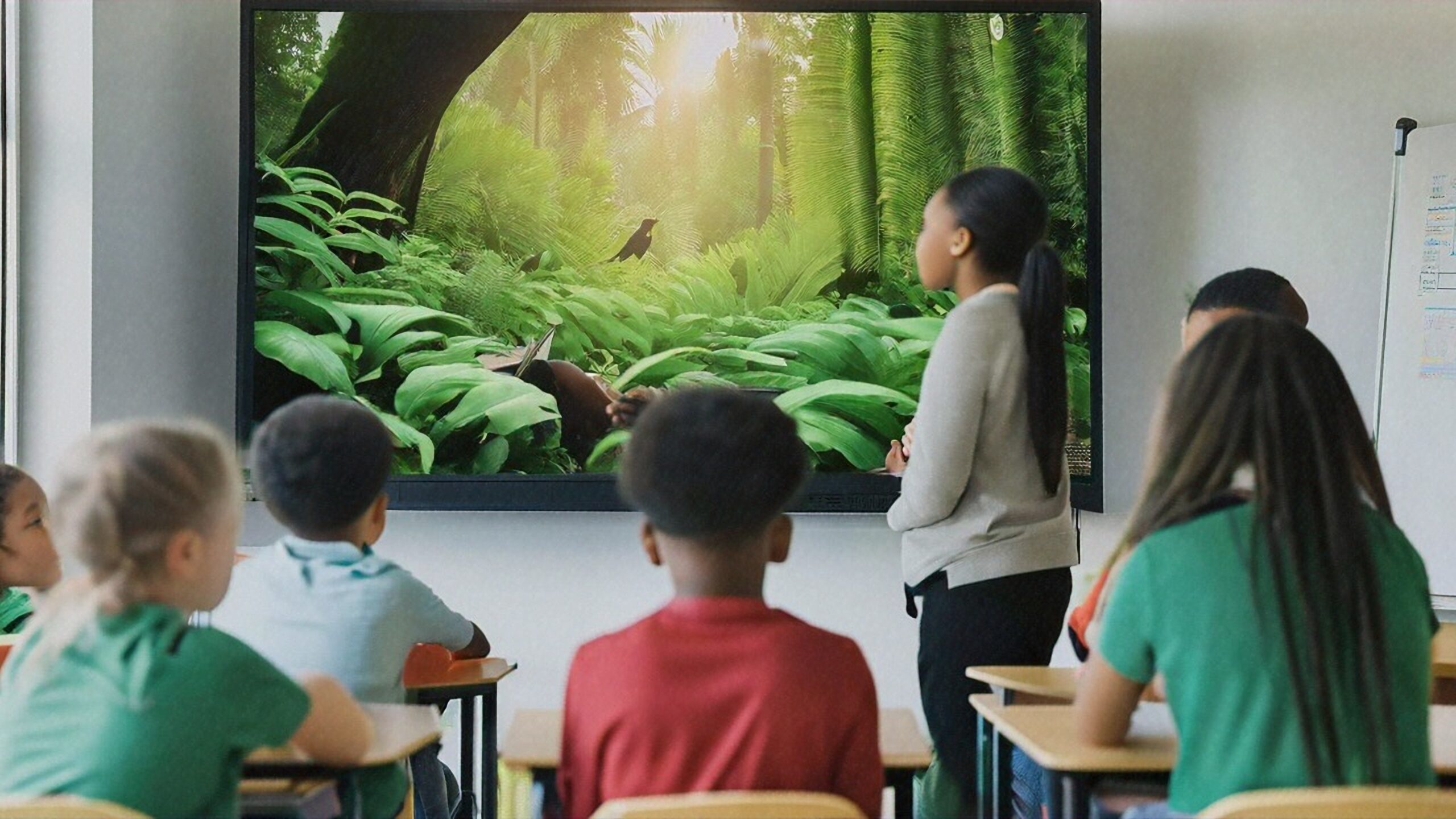
How educators and librarians can equip K-12 students, college learners, and public library patrons to analyze scientific claims, interpret environmental data, and distinguish evidence-based research from advocacy — with the help of authoritative digital resources. Why Environmental Literacy Is a 21st-Century Essential Every day, learners of all ages see many environmental claims. They find them […]
Learning in the Modern Age: Why Students Need a Managed, Structured Flow of Information
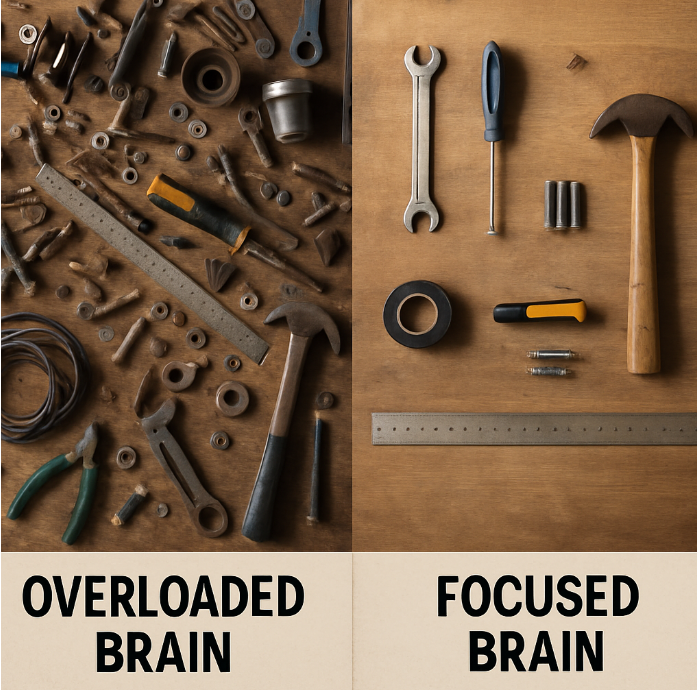
Imagine this: A learner begins a research project on the Amazon rainforest. They open a laptop, and an hour later, they’re watching a video about a capybara befriending a cat. Fifteen tabs are open, there’s a half-written sentence, and a look of total frustration. Sound familiar? The endless ocean of information we call the internet […]
Teaching News Literacy to Learners in a Misinformation Age
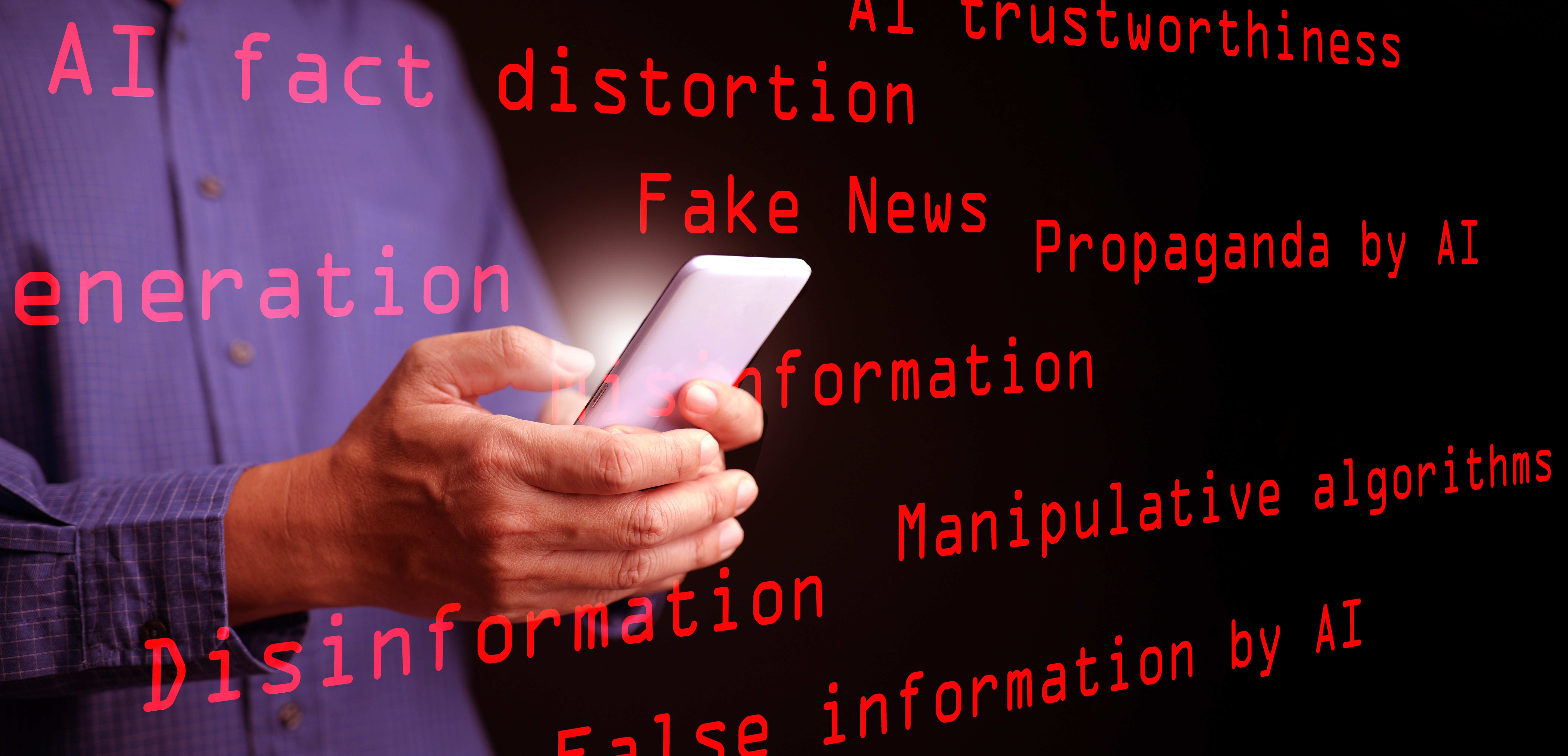
For decades, librarians have been at the forefront of media and information literacy—guiding learners in source evaluation, research practices, and ethical information use. Today’s news ecosystem has only heightened both the need for that expertise and the range of educators who rely on it. In an era shaped by algorithmic feeds, AI-generated content, polarized commentary, […]
