
Alzheimer’s and Brain Awareness Month: Early Warning Signs and Prevention
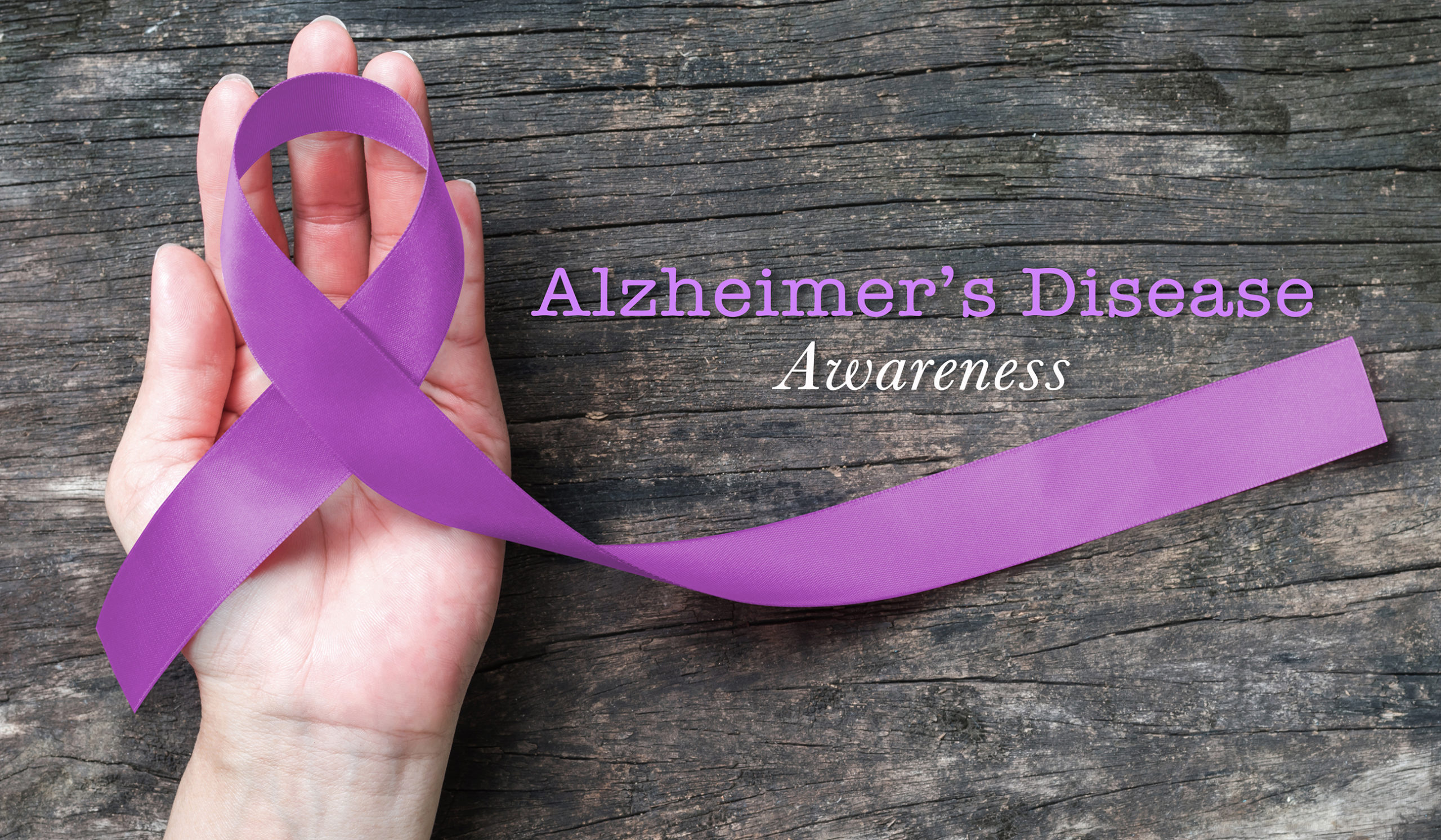
Alzheimer’s disease is a brain disease that slowly worsens over time. It damages memory and thinking skills. It is the most common type of dementia. Dementia describes the impaired ability to remember, think, or make decisions that interferes with doing everyday activities.
The Centers for Disease Control and Prevention (CDC) estimates that about 5.8 million people in the United States have Alzheimer’s disease and related dementias, with 5.6 million aged 65 and older and about 200,000 under age 65 with younger-onset Alzheimer’s. As our population ages, the share of people diagnosed with Alzheimer’s is expected to rise. Researchers must find new ways to prevent it. They must also delay its progression. Experts project the number of Americans with the disease will rise to 7.1 million people by 2025, an increase of nearly 22% from 2020.
According to CDC data, Hispanic people will see the biggest increase in Alzheimer’s disease and related dementias. African American people will also see the biggest increase. These increases will occur between 2015 and 2060. The number of Alzheimer’s disease cases is predicted to rise to about 14 million people by 2060. Minority populations will likely be affected the most. Researchers predict cases among Hispanics will rise to seven times today’s estimates. They also predict cases among African Americans will rise to four times today’s estimates. Contributing factors to this increase include heart disease and diabetes. These are more common in Hispanic and African-American populations. Other factors include lower education levels and higher poverty rates. Among the whole population, women are almost twice as likely as men to get Alzheimer’s disease. This difference is due primarily to women living longer.
What Are the Warning Signs to Look Out For?
The Alzheimer’s Association lists 10 early warning signs:
- Memory loss that affects daily life: Memory loss is a common sign of Alzheimer’s disease. People with Alzheimer’s disease may forget information they learned recently. This is more common in the early stages. Others include forgetting important dates or events and asking the same questions over and over.
- Challenges in planning or solving problems: Some people notice changes in their ability to follow a plan. This can include following a recipe, doing laundry, or managing monthly bills.
- Difficulty in completing familiar tasks: It may be hard to finish daily tasks. Examples include driving to a familiar place, making a grocery list, or turning off the stove.
- Confusion with time or place: It may be harder to remember dates. It may be harder to understand how time is passing. It may be harder to know what is scheduled later. In some cases, people start to forget where they are or how they got there.
- Trouble understanding visual images or spatial relationships: Vision problems can be a sign of Alzheimer’s. This may cause balance problems, trouble reading, or issues judging distance or contrast. It can also affect driving.
- New problems with words in speaking or writing: Following or joining a conversation can become challenging. People with Alzheimer’s may struggle to find words. They may stop mid-conversation and not know how to continue.
- Misplacing things and losing the ability to retrace steps: People with Alzheimer’s may put things in unusual places. They may lose things and then be unable to go back over their steps to find them again.
- Decreased or poor judgment: There may be changes in judgment and the overall decision-making ability. Many times, individuals will need help when dealing with money, meal planning, and personal hygiene.
- Withdrawal from work or social activities: Conversation skills may change. People with Alzheimer’s may stop doing hobbies. They may also spend less time in social activities. This can increase isolation.
- Changes in mood or personality: Mood and personality changes are not uncommon. Confusion, depression, fear, and anxiety can develop as a result of Alzheimer’s.
Can We Prevent or Delay the Onset of Alzheimer’s Disease?
The National Institutes of Health reviewed current research. They found encouraging evidence. The following interventions may prevent or delay Alzheimer’s disease
Increased physical activity. Years of animal and human observational studies suggest the possible benefits of exercise for the brain. Some studies have shown that people who exercise have a lower risk of cognitive decline than those who don’t.
Blood pressure control. Studies found that high blood pressure in middle age raises dementia risk. Other cerebrovascular risks, like diabetes and smoking, also raise this risk.
Cognitive training. Researchers are studying if cognitive training can help prevent Alzheimer’s disease. Scientists think that it may protect the brain by establishing a “reserve” of the brain’s ability to operate effectively even when disease damages it or disrupts brain function.
There is much more work to be done to understand the intricacies of brain diseases, and scientists, universities, government agencies, associations, and pharmaceutical companies around the world are leading dementia research initiatives. Researchers continue to explore interventions that may help prevent, delay, or slow Alzheimer’s, including new drugs to delay onset or slow disease progression, vitamins such as B12 plus folic acid and vitamin D, and the combination of physical and mental exercises.
Who Should You Contact If Your Loved One Is Displaying Symptoms of Alzheimer’s Disease?
If you suspect that a loved one may have the early signs of Alzheimer’s, you should be sure to contact your primary care physician or other trusted medical professional. Treatments exist that can slow the progression of the disease or reduce some cognitive and behavioral symptoms, so be sure to have the discussion with your doctor sooner than later. The Alzheimer’s Association helpline (800-272-3900) can also help point you in the right direction to get the help and support that you need.
Originally published on Omnigraphics.
What are Infobase eBooks?
Infobase eBooks subscriptions offer thousands of reliable, curriculum-aligned titles, accessible 24/7. Perfect for research and reading, they help students and lifelong learners develop critical thinking, evaluation, and research skills by exploring high-quality content anytime.
