
More Creative Assessments for the First-Year Experience
In a previous post, we covered different assessment activities that you can adapt in your instruction program. We find that FYE librarians need to continue shaping their instructional and assessment methods for first-year students. Instructional assessments are important to measure students’ learning and your own instruction performance. Here are some additional ones you can consider doing! […]
Creative Assessments for the First-Year Experience
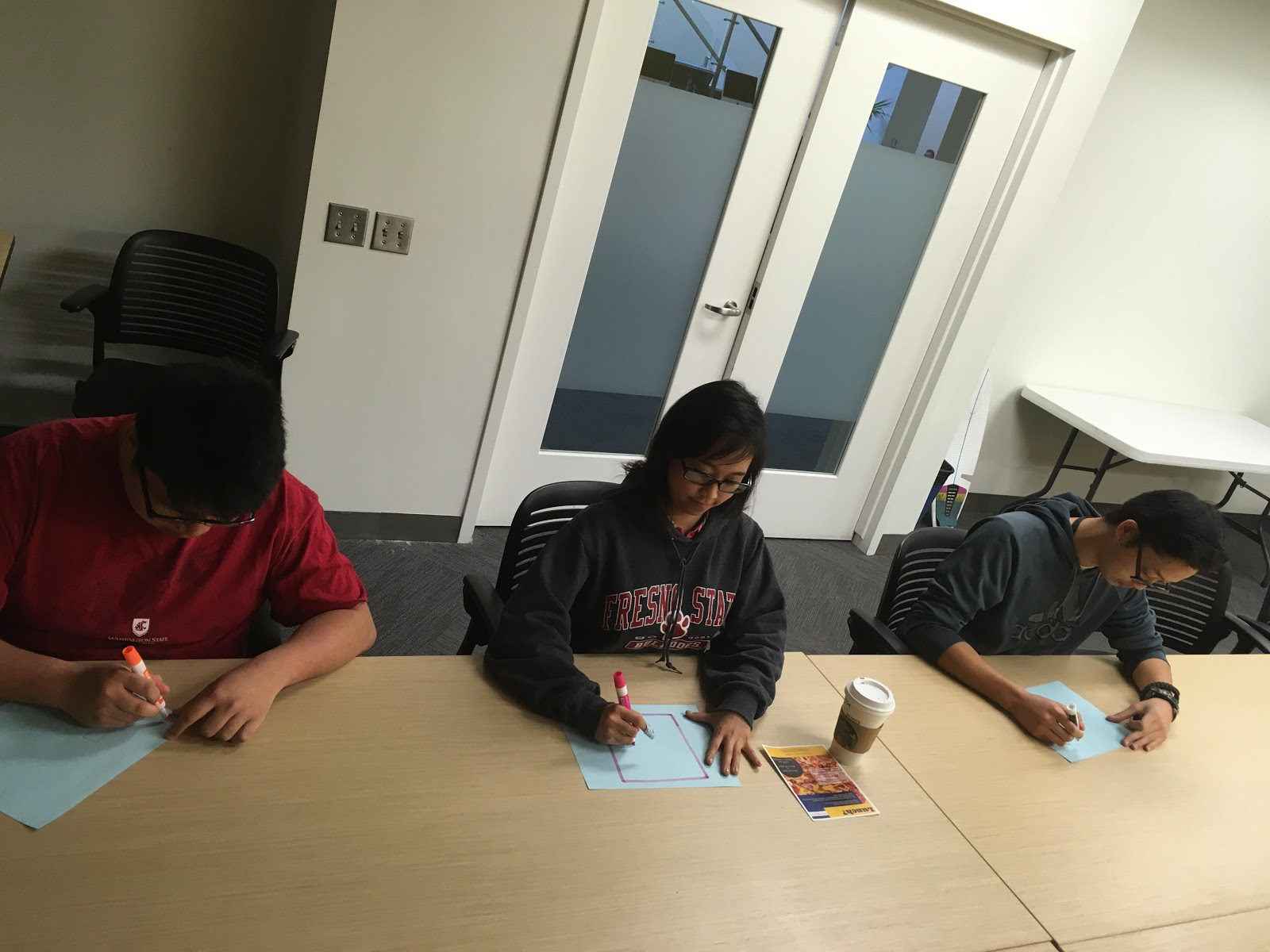
Thinking of creative ways to assess your first-year students? Assessment is such a hot topic in academic librarianship today. There’s an assessment program for user experience, instructional services, collections usage, and more. Librarians should always be thinking about new ways to assess their users and information-seeking needs. One way to identify future trends in services […]
HIP in Action Spotlight: Service-Learning and Community-Based Learning in Academic Libraries
An Interview with Librarian Anne Marie Gruber FYE correspondent Raymond Pun interviews academic librarians who are integrating HIPs (high-impact practices) into their work. The Association of American Colleges and Universities (AAC&U) has defined HIPs as active learning approaches that can increase student engagement and retention. Service-learning is considered a HIP, and in this interview, Ray […]
Accreditation and the FYE: Selected Resources for Longitudinal Studies

Did you know that selected regional accreditation programs may include information literacy as a core competency skill? Are you involved in the accreditation process for your school or library? Today, many academic libraries are tasked with providing students’ IL learning data for accreditation purposes. Groups such as WASC (Western Association of Schools and Colleges) have […]
Transforming Online Instructional Content to Engage Students and Alleviate Library Anxiety
This post was contributed by Bryant Moore, FYE Librarian at Texas A&M University–San Antonio. Librarians constantly use online content as instructional resources. These resources may come in the form of information literacy modules, research guides, or library tutorials. Utilizing these tools allows libraries and librarians to expand instructional reach and provide around-the-clock instructional services to […]
