
Librarians, Fight Misinformation with Infobase

Like it or not, we live in an era where misinformation and disinformation are abundant, and a misinformed public cannot make responsible decisions. As such, information literacy, including news literacy and media literacy, has never been more crucial. The foundational critical-thinking skills that come with information literacy will benefit researchers of all ages, and the […]
Stay on Top of the 2024 Election with World News Digest

November 5, 2024, will be a very important day in U.S. history. Voters in the United States will go to the polls to cast ballots in elections on the federal, state, and local levels—including for president and Congress—and, in doing so, will help decide the nation’s future. In an era when an overwhelming amount of […]
Start Information Literacy Education in High School or Earlier

When should information literacy education start? While many colleges offer IL capstone courses, most experts agree it should begin in K–12. States like New Jersey, California, Delaware, and Texas now mandate information literacy instruction to teach students how to evaluate sources—from social media and news articles to textbooks. Infobase can help. Our Information Literacy Strategy […]
Prepare for November with Infobase’s Elections Content
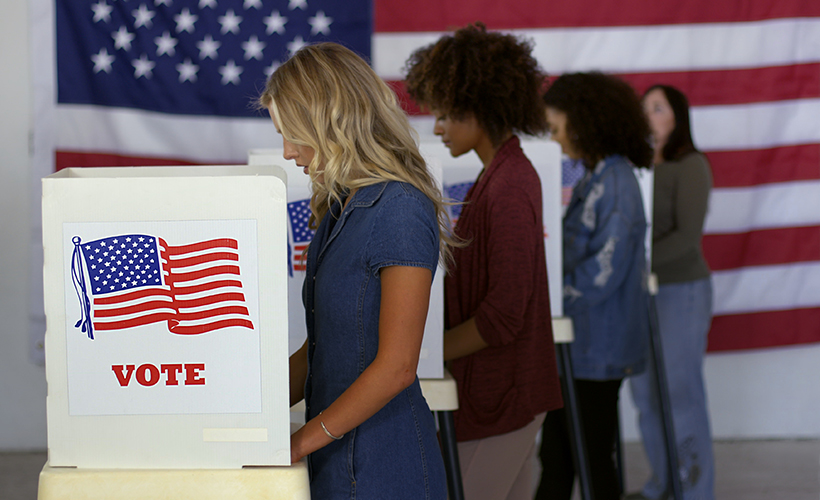
With the 2024 presidential and congressional elections just around the corner, there’s no better time than now to educate students and learners of all ages about how elections work and their importance. In order to become empowered citizens—and possibly even future politicians!—all students need to learn about the impact voting can have, not just for […]
How to Incorporate News Literacy into Any Curriculum and Be Confident in Evaluating News Content from Any Source

Though media and information literacy have been taught in various pedagogical settings in the past, the task had mostly fallen to those whose training was directly related to it, such as librarians and professors of media literacy or mass communications. However, today, the proliferation of misinformation has forced educators in totally different fields to address […]
Teaching About Conspiracy Theories and Memes: The Internet’s Most Outlandish and Compelling Content
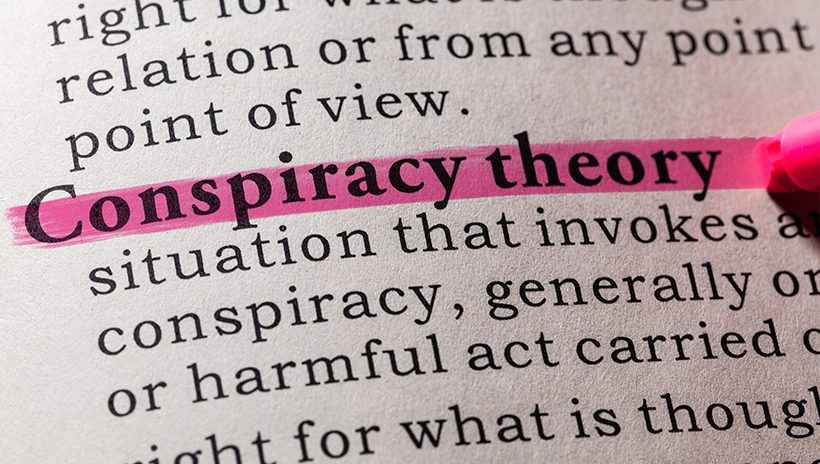
In this blog series, I have referred several times to the concept of “modern challenges” to teaching news literacy, and at the risk of sounding repetitive, I will refer again to this blog’s topic as a “modern challenge.” There are many modern challenges because so many aspects of our information environment are new. Two particular […]
Facing Polarization Head-On: Strategies for Discussing Difficult Political Topics When Teaching News Literacy
There are a number of challenges to teaching news literacy today, not least of which is that news literacy inherently involves reading, well, the news. As we all know, our current news environment is highly polarizing, which is one of the very reasons it is important to teach news literacy. Consequently, teaching about bias and […]
How to Evaluate Any News Content for Reliability and Bias

The modern information landscape is flooded with thousands of news and “news-like” sources. The sheer volume of these sources presents a unique challenge to each one of us being news literate ourselves. A common complaint these days from individual news consumers (including educators) is “I don’t know what to trust anymore.” However, none of us (especially […]
Why It Is Challenging to Teach News Literacy in Today’s World, and How to Do So Effectively Anyway

There are many “unprecedented” things about the world today, and teaching news literacy in our current information environment is certainly one of them. Never before have there been so many news and “news-like” sources from which to receive information. As a result, news consumers of all ages express frustration, confusion, and resignation over which ones […]
