
Start Information Literacy Education in High School or Earlier

When should information literacy education start? While many colleges offer IL capstone courses, most experts agree it should begin in K–12. States like New Jersey, California, Delaware, and Texas now mandate information literacy instruction to teach students how to evaluate sources—from social media and news articles to textbooks. Infobase can help. Our Information Literacy Strategy […]
Give Students the College & Career Planning Resources They Need

Many young people approaching adulthood have a sense of what they want to do with their lives, but aren’t exactly sure how to get there. For many, college is a great start, but first-time, full-time freshmen have a dropout rate of around 23%; lack of support, academic challenges, and financial difficulties are among the many […]
Celebrate Hispanic Heritage with Infobase

From September 15 to October 15 each year, Americans observe National Hispanic Heritage Month, a time to celebrate the achievements, histories, traditions, and cultural diversity of Hispanic/Latino/Latinx Americans, whose heritage is rooted in Spain, Mexico, the Caribbean, and Central and South America. Support and teach Hispanic heritage and culture with our authoritative, engaging, and unbiased […]
AI Tutorials Now Available from Our Information Literacy Resources

Infobase customers are a varied group: students and patrons at academic, public, and school libraries; librarians at all those institutions; and teachers and other faculty. Listening to all those stakeholders is how we build products that meet your needs. And the need we’ve heard loud and clear lately is for information on artificial intelligence, or […]
Support Your History Instruction with Curated Multimedia Content

It has been said that those who ignore history are doomed to repeat it. This is one of the many reasons history instruction is so crucial for a functioning society. Students need to understand how the events of the past have shaped those of today. Infobase’s history resources are rich with relevant content on core […]
10 Curious and Unusual Reference eBooks You Can Add to Credo

Let’s face it—few people think of encyclopedias as “light reading.” And, yet, some of the most fascinating book titles you can find come in the form of reference books. Subscribers to Credo Reference for higher education institutions and public libraries already know that Credo has hundreds of searchable, full-text titles from the world’s foremost reference […]
Information Literacy Starts with Infobase

The first step to becoming a scholar is learning how to find and use reputable sources. But, how do you know which sources to trust and how best to use them? You need to cultivate the critical-thinking, computer, and communication skills necessary to figure out not only which sources you can build your research on, […]
Steeped in History: Learn about the Boston Tea Party with Infobase
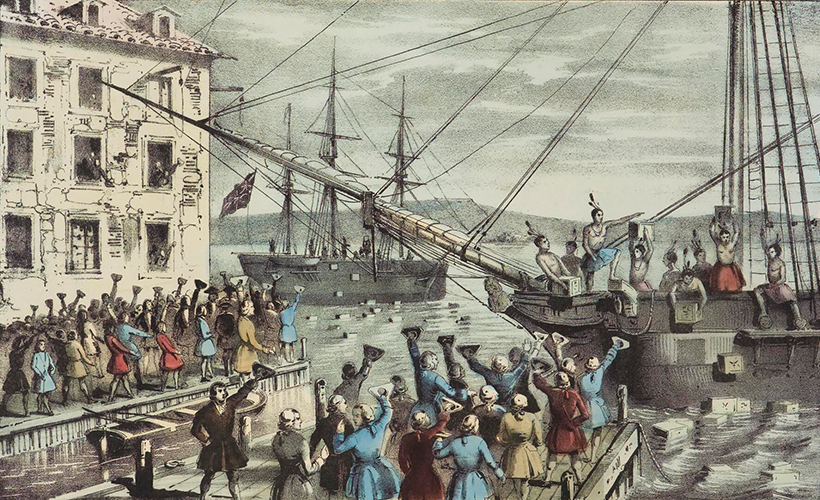
On December 16, 1773, a group of American colonists led by Samuel Adams protested excessive taxation from Great Britain by boarding three ships and throwing their cargo—massive amounts of tea owned by the East India Company—into Boston’s harbor. This event would be among the many that would eventually spark the American Revolution in 1775 and […]
Academic Integrity in the Age of AI

Students seeking shortcuts and other ways to reduce their workload is nothing new. From copying the work of other students to purchasing study guides or summaries of assigned readings, challenges to academic integrity existed long before the internet. The digital age made certain forms of plagiarism especially tempting with the ease of copying and pasting […]
New Tutorials and More Added to Credo Information Literacy

The information literacy landscape is constantly changing. Technologies and the ways in which people communicate evolve. Content is produced and distributed so quickly and across so many formats that it can feel overwhelming to keep up. Skills that allow students to find, evaluate, and communicate information have never been more important. To reflect this environment, […]
Differentiated Learning: How Databases Can Help

As any teacher can tell you, one foundation of creating lesson plans is considering your students’ individual needs—in other words, strategies teachers use to differentiate the delivery of content. This consideration requires obtaining a certain amount of knowledge about their students, which often leads teachers to administering surveys. Insert the likelihood of a discussion of […]
From Course Scaffolding to the Flipped Classroom: Asynchronous Learning in Practice
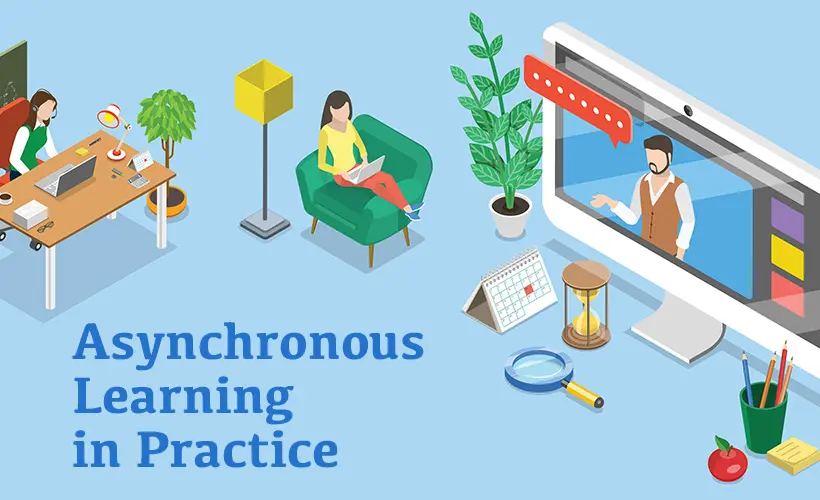
Asynchronous learning offers many benefits to students and instructors alike. For students, asynchronous learning opens up opportunities to take classes regardless of restrictions like timezones or location. Faculty can use strategies for asynchronous instruction, such as the “flipped classroom” approach, to maximize live class time. Even before the pandemic, institutions offered distance education for degree […]
