
Library Resources as Essential AI Complements
The beauty of information literacy is that there’s never a time when it’s not at the fore in our academic, professional, and even personal lives. Every day, we need facts—or at least, a way to find them—and our modern world offers a multitude of avenues for doing just that. The newest tool is generative AI—especially […]
Providing Guidance on Artificial Intelligence (AI)
To many of us parents and educators, the rise of artificial intelligence (AI) in education has been both intriguing and disturbing. Over the past year, I’ve watched my two teenagers experiment with ChatGPT many times, with results that alternate between impressive, ridiculous, and a waste of time. What’s clear is that, for better or worse, […]
AI Tutorials Now Available from Our Information Literacy Resources
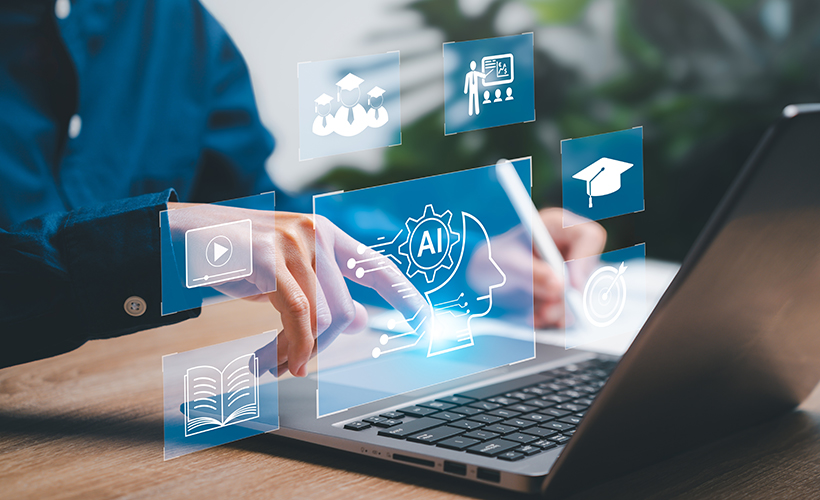
Infobase customers are a varied group: students and patrons at academic, public, and school libraries; librarians at all those institutions; and teachers and other faculty. Listening to all those stakeholders is how we build products that meet your needs. And the need we’ve heard loud and clear lately is for information on artificial intelligence, or […]
Information Literacy Starts with Infobase

The first step to becoming a scholar is learning how to find and use reputable sources. But, how do you know which sources to trust and how best to use them? You need to cultivate the critical-thinking, computer, and communication skills necessary to figure out not only which sources you can build your research on, […]
New Tutorials and More Added to Credo Information Literacy

The information literacy landscape is constantly changing. Technologies and the ways in which people communicate evolve. Content is produced and distributed so quickly and across so many formats that it can feel overwhelming to keep up. Skills that allow students to find, evaluate, and communicate information have never been more important. To reflect this environment, […]
Differentiated Learning: How Databases Can Help

As any teacher can tell you, one foundation of creating lesson plans is considering your students’ individual needs—in other words, strategies teachers use to differentiate the delivery of content. This consideration requires obtaining a certain amount of knowledge about their students, which often leads teachers to administering surveys. Insert the likelihood of a discussion of […]
From Course Scaffolding to the Flipped Classroom: Asynchronous Learning in Practice
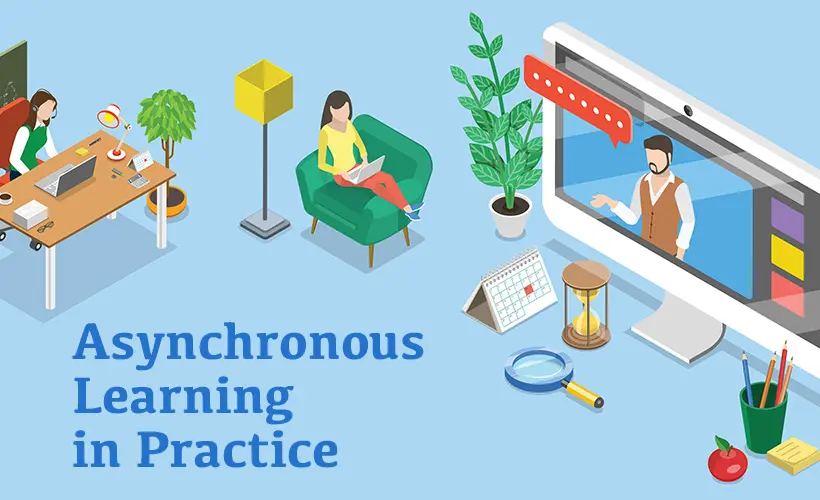
Asynchronous learning offers many benefits to students and instructors alike. For students, asynchronous learning opens up opportunities to take classes regardless of restrictions like timezones or location. Faculty can use strategies for asynchronous instruction, such as the “flipped classroom” approach, to maximize live class time. Even before the pandemic, institutions offered distance education for degree […]
Digital Citizenship Instruction: Challenges and Opportunities

Digital media plays a significant role in students’ lives. In fact, young students are increasingly likely to own personal devices allowing access to materials for school and entertainment. According to Common Sense Media’s 2020 media-use study, 46% of American children aged 2–4 and 67% of the 5–8 year olds included in the survey own their […]
Transforming Online Instructional Content to Engage Students and Alleviate Library Anxiety
This post was contributed by Bryant Moore, FYE Librarian at Texas A&M University–San Antonio. Librarians constantly use online content as instructional resources. These resources may come in the form of information literacy modules, research guides, or library tutorials. Utilizing these tools allows libraries and librarians to expand instructional reach and provide around-the-clock instructional services to […]
